
At Little Koi Pediatric Dentistry, Dr. Vi-Khoi Duong, DDS understands that children with medical, developmental, and behavioral conditions deserve dental care that goes beyond the standard approach. We specialize in providing compassionate, individualized treatment for children with special health care needs, creating a safe and welcoming environment where every child can receive the quality dental care they deserve. Our team is trained to work with children facing unique challenges, and we take pride in adapting our methods to ensure your child feels comfortable and supported throughout their dental experience.
Special Health Care Needs
Understanding Treatment for Special Health Care Needs
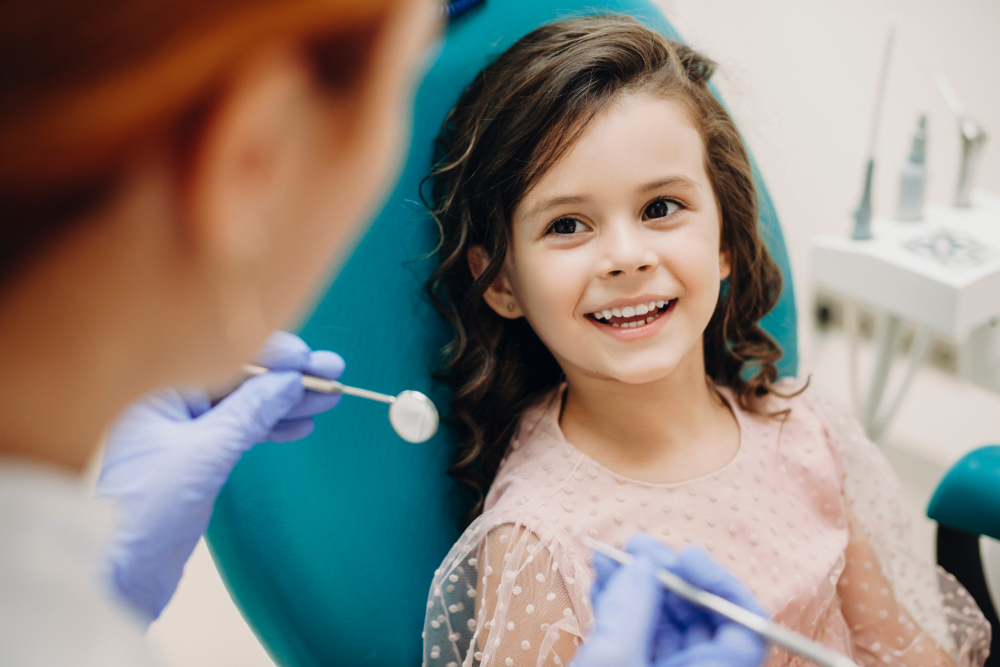
Special health care needs in pediatric dentistry encompass a wide range of conditions that may affect how a child receives dental treatment. These include physical disabilities, developmental disorders like autism spectrum disorder, medical conditions such as heart disease or diabetes, sensory processing challenges, and behavioral differences that require modified communication and care approaches. Children with these needs often face barriers to receiving routine dental care, making it essential to find a dental practice that understands their unique requirements. The term recognizes that some children need additional support, accommodations, or specialized treatment protocols to access quality dental care safely and comfortably.
How Your Child Benefits From Our Approach
Personalized Treatment Approaches
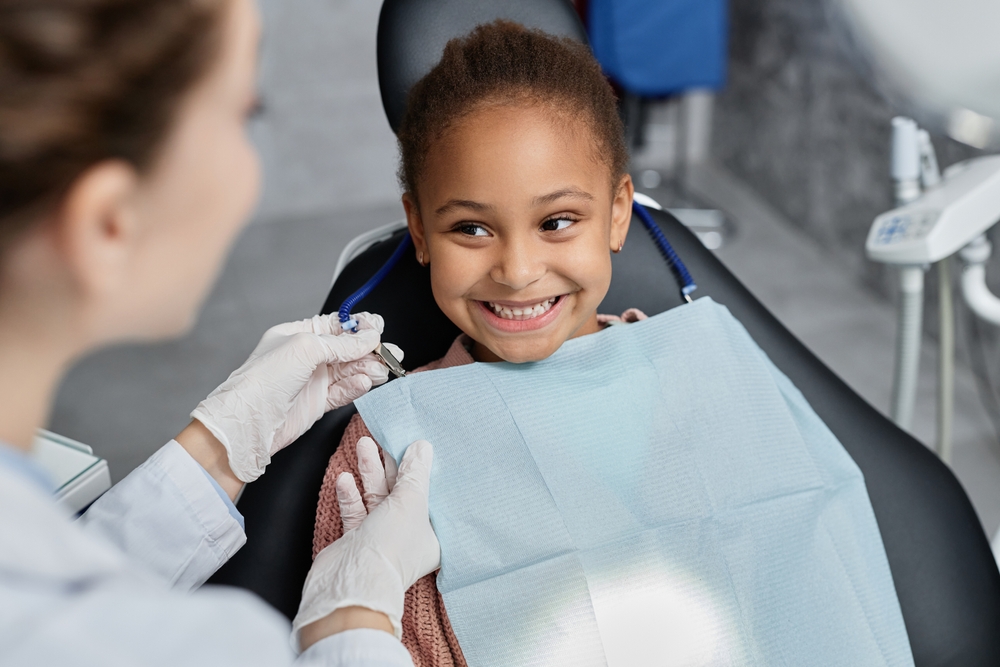
Every child receives a customized care plan designed around their specific abilities, limitations, and comfort levels. We adjust our treatment techniques, timing, and environment to match your child’s needs, whether that means shorter appointments, sensory-friendly spaces, or specialized positioning. This individualized approach helps reduce anxiety and creates more successful outcomes for children who might struggle in traditional dental settings.
Prevention of Dental Complications
Children with certain medical conditions often face higher risks for dental problems, including gum disease, tooth decay, and oral infections. Our specialized care focuses on preventing these complications through targeted hygiene strategies and regular monitoring. By addressing potential issues before they become serious, we help maintain your child’s overall health and reduce the need for more invasive treatments down the road.
Improved Communication and Trust
We use various communication methods tailored to your child’s understanding, including visual aids, social stories, and demonstration techniques. Building trust takes time, and we’re patient in developing relationships with our young patients. This approach helps children feel more secure during appointments and makes future visits progressively easier as they become familiar with our team and procedures.
Coordination with Medical Providers
Our team works closely with your child’s other healthcare providers to ensure comprehensive, coordinated care. We understand how certain medications, medical treatments, and conditions can affect oral health, and we adjust our approach accordingly. This collaborative relationship means you don’t have to navigate your child’s complex healthcare needs alone—we’re partners in supporting their overall wellbeing.
Family Education and Support
Parents and caregivers receive thorough guidance on managing their child’s oral health at home, including adaptive techniques for brushing and flossing. We recognize that caring for a child with special health care needs comes with unique challenges, and we’re here to provide practical solutions and ongoing support. Our goal is to empower families with the knowledge and tools they need to maintain their child’s dental health between appointments.
Our Process for Individualized Treatment
Getting to Know Your Child
Dr. Duong begins with a comprehensive evaluation that includes reviewing your child’s medical history, current medications, and any specific concerns you have about dental care. We encourage you to share information about your child’s triggers, preferences, and successful strategies from other healthcare experiences. This conversation helps us create a foundation of understanding before we even begin the clinical examination.
Building a Care Plan That Works
Based on the initial consultation, we develop a care plan that addresses your child’s dental needs while accommodating their medical, developmental, or behavioral considerations. This plan includes specific modifications to our standard procedures, scheduling recommendations, and preventive strategies tailored to your child’s situation. We present this plan to you in detail and welcome your input to ensure it aligns with your family’s needs and goals.
Providing Comfortable, Adapted Care
During treatment sessions, we use the specialized techniques and accommodations outlined in your child’s care plan. Our team remains flexible and responsive to your child’s reactions, adjusting our approach as needed to maintain their comfort and cooperation. We may use desensitization techniques, protective stabilization when medically necessary and with your consent, or sedation options for children who cannot tolerate traditional dental procedures.
Supporting Your Home Care Routine
After each appointment, we provide clear instructions for at-home care that consider your child’s abilities and your family’s routine. These recommendations might include adaptive oral hygiene tools, dietary suggestions to protect dental health, or exercises to improve oral motor function. We also discuss warning signs to watch for and when to contact our office between scheduled visits.
Tracking Progress and Celebrating Wins
We schedule regular follow-up appointments based on your child’s specific risk factors and needs, which may be more frequent than typical pediatric patients. During these visits, Dr. Duong monitors your child’s progress, adjusts the treatment plan as they grow and develop, and celebrates improvements in cooperation and oral health. These ongoing appointments help us maintain the trust we’ve built and ensure consistent, quality care.
Why Choose Us
Choosing Little Koi Pediatric Dentistry means selecting a practice where your child’s unique needs are understood and respected. Our team has received specialized training in working with children who have various medical, developmental, and behavioral conditions, and we continuously update our knowledge to provide the most current care approaches. We’ve created an environment designed to reduce sensory overload and anxiety, with adjustable lighting, noise-canceling options, and calming spaces where children can feel safe.
Dr. Vi-Khoi Duong, DDS brings both clinical expertise and genuine compassion to every patient interaction, recognizing that successful treatment requires patience, creativity, and a willingness to think beyond standard protocols. We take pride in celebrating each child’s progress, whether that’s sitting in the dental chair for the first time, tolerating a cleaning, or simply walking through our doors without fear. Your child’s success is our success, and we’re committed to making dental care accessible and positive for every family we serve.

Discover Care Designed Around Your Child!
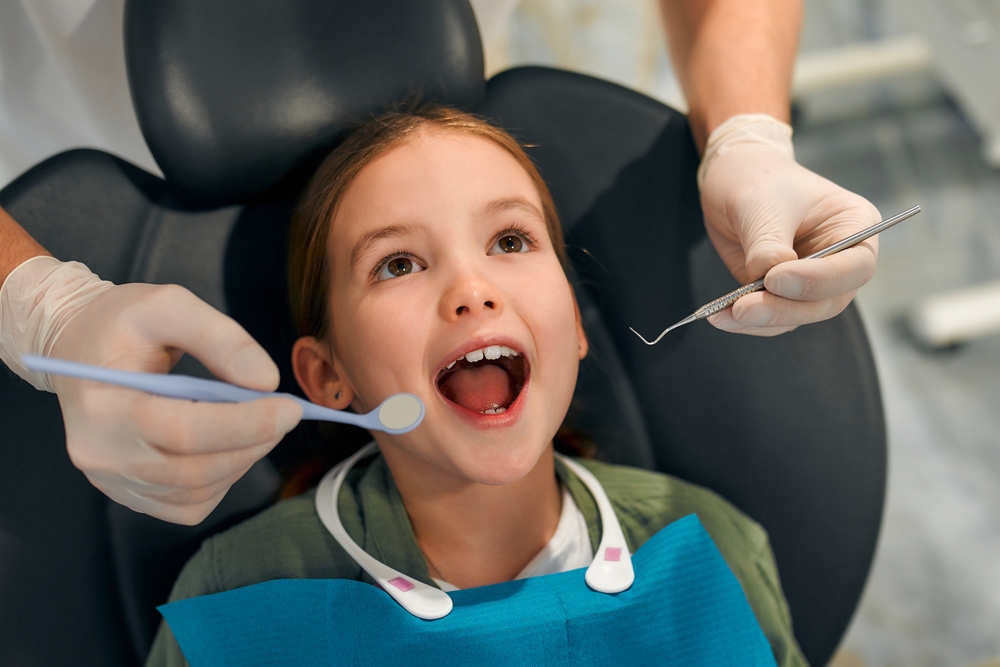
Children with special health care needs benefit from dental care that recognizes their individual challenges and strengths. Dr. Vi-Khoi Duong, DDS and the team at Little Koi Pediatric Dentistry are here to provide the personalized attention your child deserves in an environment built around their comfort. Visit our Facebook and Instagram pages to see our approach in action, then contact us at 626-828-0564 to begin planning your child’s first visit with a team that understands their unique requirements.

FAQs
What is dental frenectomy?
A dental frenectomy is a simple surgical procedure that removes or modifies the frenum, which is the small fold of tissue connecting the lips to the gums or the tongue to the floor of the mouth. This procedure is sometimes necessary for children when a tight frenum restricts tongue movement (tongue-tie) or causes gaps between teeth. The procedure is quick and typically involves minimal discomfort, with most children recovering within a few days.
Does a dental frenectomy hurt?
The procedure itself doesn’t hurt because we use local anesthesia to numb the area completely before beginning. Your child may feel pressure during the procedure but shouldn’t experience pain. After the anesthesia wears off, there may be some mild discomfort or soreness for a few days, which can be managed with over-the-counter pain relief and following our aftercare instructions.
What age does the jaw stop developing?
The jaw continues developing throughout childhood and into young adulthood, with most growth completed by the late teenage years. For girls, jaw development typically finishes around ages 14-16, while boys may continue developing until ages 17-19. However, significant jaw growth occurs during early childhood and the pre-teen years, making these periods particularly important for monitoring development and addressing concerns early.
How to fix poor jaw development?
Poor jaw development can be addressed through various orthodontic interventions, with the specific approach depending on your child’s age and the nature of the problem. Early interventions during childhood might include palatal expanders to widen the upper jaw or functional appliances that guide jaw growth. For older children and teens, braces or clear aligners can help align teeth and improve bite relationships, while severe cases might require consultation with an oral surgeon for comprehensive treatment.
Can clear aligners fix an open bite?
Clear aligners can effectively treat many cases of open bite, particularly in older children and teenagers who can wear them consistently. These aligners gradually move teeth into proper positions through a series of custom-made trays. However, the success of clear aligner treatment for open bite depends on the severity of the condition and whether underlying jaw growth issues need to be addressed first with other orthodontic appliances.
What is correct bite alignment?
Correct bite alignment means your upper and lower teeth fit together properly when your mouth is closed, with the upper teeth slightly overlapping the lower teeth. In a healthy bite, the points of the molars fit into the grooves of the opposing teeth, there’s proper spacing without crowding, and the jaw joints function smoothly without clicking or pain. Achieving correct bite alignment is important not just for appearance but for proper chewing function, speech development, and long-term oral health.