

Tooth decay doesn’t always mean losing a baby tooth. When your child develops a cavity that reaches the nerve, you need a treatment option that saves the tooth while stopping the pain. Dr. Vi-Khoi Duong at Little Koi Pediatric Dentistry offers pulpotomy procedures that address infected nerve tissue in baby teeth without extraction. This targeted approach removes only the damaged portion of the nerve, allowing your child’s tooth to remain in place until it naturally falls out when the permanent tooth is ready to emerge.
Nerve Treatment (Pulpotomy)

Understanding Nerve Treatment (Pulpotomy)
A pulpotomy is a specialized dental procedure that removes infected or inflamed nerve tissue from the crown portion of a baby tooth while keeping the healthy root nerves intact. When decay penetrates through the enamel and dentin to reach the pulp chamber, your child may experience sensitivity, pain, or swelling.
This partial nerve treatment addresses the problem without removing the entire tooth, which is especially important for maintaining proper spacing and function until the permanent tooth is ready to emerge. Unlike more extensive procedures, a pulpotomy focuses on preserving as much of the natural tooth structure as possible by removing only the damaged pulp tissue from the upper chamber of the tooth.

Benefits of Pulpotomy
Preserves Natural Tooth Structure
Keeping your child’s baby teeth in place until they naturally fall out is essential for proper oral development. A pulpotomy allows the tooth to remain functional without extraction, maintaining the space needed for permanent teeth to emerge correctly. This preservation prevents neighboring teeth from shifting into the gap, which could lead to crowding or misalignment issues later. Your child can continue chewing, speaking, and smiling naturally throughout their dental development.
Relieves Pain and Discomfort Quickly
When decay reaches the nerve of a tooth, your child may experience significant pain that affects their ability to eat, sleep, or concentrate. A pulpotomy removes the infected tissue causing the discomfort, providing immediate relief. Within days of the procedure, your child should feel completely comfortable using the treated tooth again. This quick resolution means less missed school time and a happier, more comfortable child.
Prevents Infection from Spreading
Untreated decay in the pulp chamber can lead to serious infections that spread to surrounding tissues, bone, or even other teeth. By removing the infected pulp tissue promptly, a pulpotomy stops bacteria from advancing deeper into the tooth or affecting nearby structures. This preventive measure protects your child’s overall oral health and eliminates the risk of painful abscesses. Early intervention through pulpotomy treatment saves you from more complex and costly procedures down the line.
More Affordable Than Tooth Replacement
Extracting a baby tooth and replacing it with a space maintainer involves multiple appointments, additional costs, and ongoing adjustments as your child grows. A pulpotomy offers a cost-effective alternative that requires fewer visits and less overall investment. The procedure is typically completed in one appointment, and the tooth functions normally until it falls out naturally. This economical approach delivers excellent results without straining your family budget.
Supports Proper Speech Development
Baby teeth play a crucial role in helping children learn to pronounce words correctly and develop clear speech patterns. When teeth are missing, especially front teeth, your child may develop a lisp or struggle with certain sounds. A pulpotomy keeps all teeth in their proper positions, supporting normal speech development during these critical learning years. Your child can communicate confidently without the frustration of working around missing teeth.
What Happens During Our Nerve Treatment Process
Comprehensive Examination and X-rays
Your child’s visit begins with a thorough examination where we assess the extent of decay and determine if a pulpotomy is the right solution. We take digital X-rays to view the internal structure of the tooth and evaluate the health of the surrounding bone and roots. Dr. Khoi explains the procedure in child-friendly terms, answers all your questions, and ensures both you and your child feel comfortable moving forward with treatment.
Creating Your Child’s Personalized Treatment Approach
Based on the examination findings, we create a treatment approach tailored to your child’s specific needs and comfort level. We discuss sedation options if your child experiences dental anxiety or has difficulty sitting still for procedures. Our team schedules the pulpotomy at a convenient time and provides detailed pre-appointment instructions to help you prepare. We consider your child’s age, the tooth’s location, and overall oral health when planning the most effective treatment strategy.
Gentle Removal of Infected Pulp Tissue
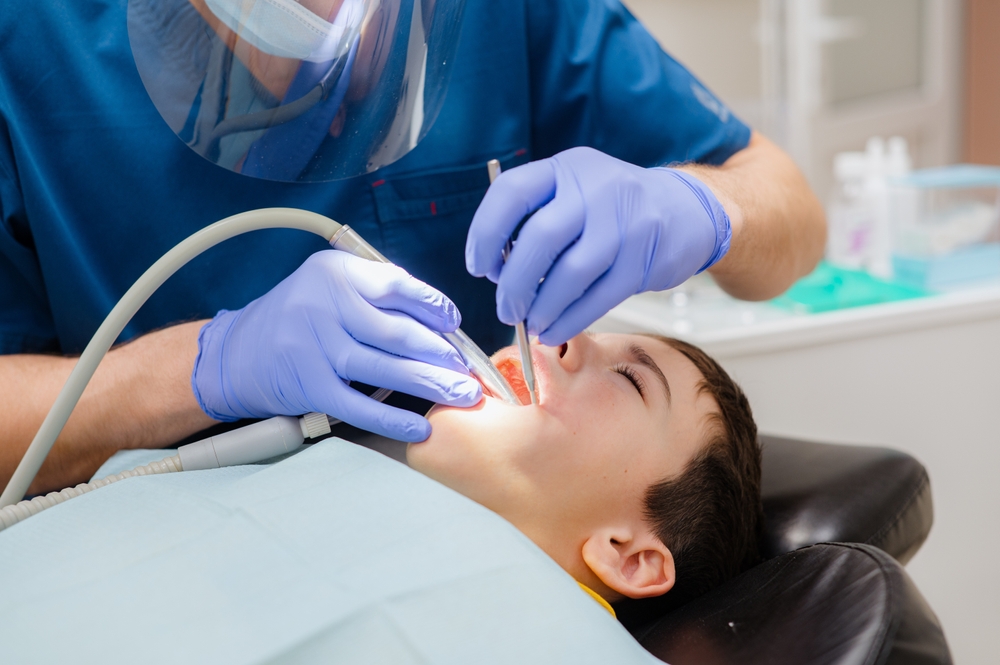
During the procedure, Dr. Vi-Khoi Duong numbs the area around the tooth to ensure your child feels no discomfort throughout the treatment. He carefully removes the infected pulp tissue from the crown portion of the tooth while preserving the healthy root nerves. After cleaning and disinfecting the chamber, he places a medicinal material to promote healing, then seals the tooth with a filling and often a stainless steel crown for added protection and strength.
Caring for Your Child’s Tooth at Home
Following the pulpotomy, your child may experience mild sensitivity for a few days, which typically responds well to over-the-counter pain relievers as recommended. We advise avoiding hard, sticky, or very hot foods for the first 24 hours to allow the tooth to settle. Encourage your child to maintain excellent oral hygiene by brushing twice daily and flossing around the treated tooth. Regular dental checkups every six months allow us to monitor the tooth’s healing and ensure it remains healthy until it naturally falls out.
Monitoring Healing and Long-Term Success
We schedule a follow-up appointment to verify the tooth is healing properly and your child is experiencing no complications. During this visit, we check that the filling and crown remain secure and that surrounding tissues show no signs of infection. These monitoring appointments give you peace of mind that the treatment was successful and your child’s oral health is on track. If you notice any unusual symptoms between visits, such as swelling or persistent pain, contact Little Koi Pediatric Dentistry immediately for prompt evaluation.
Why Choose Our Approach to Pulpotomy Treatment
Your child deserves dental care that addresses their needs without causing unnecessary stress or discomfort. Dr. Khoi specializes in pediatric dentistry and understands how to work efficiently with young patients while keeping them calm throughout their treatment. He uses precise techniques that minimize the time your child spends receiving treatment, making the experience more manageable for anxious children. Our office creates a relaxed atmosphere where kids feel at ease rather than intimidated by dental equipment or procedures.
Parents appreciate our transparent communication style and willingness to answer questions thoroughly before any procedure begins. We explain what you can expect during and after the pulpotomy so there are no surprises. Our team recognizes that watching your child undergo a dental procedure can be difficult, so we keep you informed at every stage and welcome your presence during treatment. When you bring your child to Little Koi Pediatric Dentistry for nerve treatment, you gain a partner committed to preserving their dental health through conservative, effective solutions that work.

Pain-Free Smiles Start with One Appointment!
Addressing tooth decay early prevents more serious complications and keeps your child comfortable and healthy. A pulpotomy offers an effective solution that preserves your child’s natural tooth while eliminating pain and infection. Dr. Vi-Khoi Duong is ready to provide the gentle, expert care your child deserves.
Don’t wait for dental pain to worsen or spread to other teeth. Check our Facebook and Instagram pages to see our happy patients and get helpful dental tips for your family. Call Little Koi Pediatric Dentistry now at 626-828-0564 to book an appointment and take the first step toward protecting your child’s dental health.

FAQs
What is a pulpotomy?
A pulpotomy is a dental procedure that removes infected or inflamed nerve tissue from the crown portion of a baby tooth while keeping the healthy root nerves intact. This treatment is performed when decay has reached the pulp chamber, causing pain or sensitivity in your child’s tooth. The procedure preserves the tooth’s natural structure and function until it’s ready to fall out on its own.
Is a pulpotomy the same as a root canal?
While both procedures involve treating the nerve tissue inside a tooth, they are not the same. A pulpotomy removes only the pulp from the crown portion of the tooth, leaving the root nerves healthy and intact. A root canal removes all nerve tissue from both the crown and the roots, which is typically reserved for permanent teeth or more severe cases in primary teeth.
Can you do a pulpotomy on a permanent tooth?
Pulpotomies are primarily performed on baby teeth because the goal is to preserve the tooth until it naturally falls out. Permanent teeth typically require a full root canal treatment when the pulp becomes infected or damaged. However, in rare cases involving young permanent teeth that haven’t fully developed, a modified pulpotomy procedure might be considered as a temporary measure.
How long does a pulpotomy take?
Most pulpotomy procedures take between 30 to 45 minutes to complete from start to finish. The actual time varies depending on which tooth is being treated and your child’s cooperation level during the procedure. Dr. Khoi works efficiently while ensuring your child remains comfortable throughout the treatment.
How long does pain last after pulpotomy?
Most children experience mild discomfort for one to three days following a pulpotomy, which is easily managed with over-the-counter pain relievers. Any sensitivity typically decreases significantly within the first 24 hours as the tooth begins healing. If pain persists beyond three days or worsens over time, contact our office for a follow-up evaluation.