
Getting a tooth extraction can feel overwhelming, but understanding the process makes it much easier. At Little Koi Pediatric Dentistry, Dr. Vi-Khoi Duong, DDS, and his team focus on making your experience as comfortable as possible. Whether you need a primary tooth removed or a non-restorable tooth extracted, we’re here to guide you through every step with care and expertise.
Extraction
Understanding Tooth Extraction
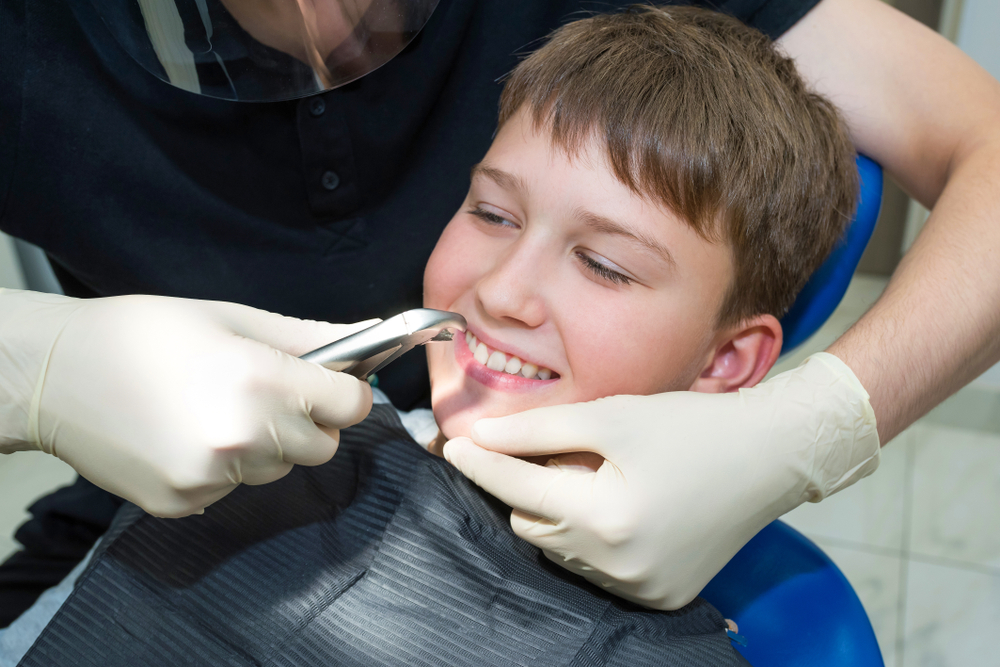
A tooth extraction involves the safe removal of a tooth that can no longer stay in your mouth. Primary teeth sometimes need extraction when they don’t fall out naturally or when they’re blocking permanent teeth from coming in properly. Non-restorable teeth are those damaged beyond repair by decay, trauma, or infection. In these cases, extraction becomes the best option to protect your overall oral health and prevent further complications.
The decision to extract a tooth is never made lightly. Dentists carefully evaluate your situation through X-rays and examinations to determine if saving the tooth is possible. When extraction is recommended, it means other treatments won’t work, and removing the tooth will benefit your long-term health. Modern techniques make extractions much more comfortable than you might expect.
Benefits of Dental Extraction
Eliminates Chronic Bad Breath
A decayed or infected tooth harbors bacteria that produce unpleasant odors no amount of brushing can fix. This persistent bad breath affects your confidence in social and professional situations. Removing the problematic tooth eliminates the bacterial source, giving you fresher breath and renewed self-assurance. You’ll notice the difference within days as your mouth begins to heal and harmful bacteria are no longer multiplying in that damaged area.
Protects Your Jawbone Integrity
Severely damaged teeth can lead to bone loss in your jaw as infection spreads below the gum line. This deterioration weakens the foundation that supports your other teeth and can change your facial structure over time. Extraction stops this bone destruction and allows your body to begin the healing process. Preserving your jawbone health now makes future dental treatments more successful and maintains your natural facial contours.
Allows You to Eat Comfortably Again
When you have a problematic tooth, you unconsciously avoid chewing on that side of your mouth. This uneven eating pattern can cause jaw strain, digestive issues from poorly chewed food, and limited food choices. Extraction restores your ability to chew evenly on both sides of your mouth. You’ll regain the pleasure of eating your favorite foods without wincing or adjusting how you bite.
Decreases Headache and Jaw Pain
Infected or damaged teeth often cause referred pain that radiates to your head, neck, and jaw. Many patients don’t realize their chronic headaches or jaw tension stems from a dental problem. Removing the tooth that’s causing nerve irritation can dramatically reduce or eliminate these symptoms. The relief extends beyond your mouth, improving your quality of life and reducing your reliance on pain relievers.
Supports Successful Orthodontic Treatment
Overcrowded teeth cannot be properly aligned without creating necessary space first. Extraction makes room for teeth to shift into their correct positions during orthodontic work. This strategic removal shortens your treatment time and produces better, more stable results. Your orthodontist can achieve the healthy, attractive smile you want without forcing teeth into positions they cannot maintain long-term.
Our Tooth Extraction Process
Comprehensive Evaluation and Imaging
During your first visit, Dr. Khoi performs a thorough examination of the affected tooth and takes digital X-rays to assess the situation fully. He discusses why extraction is recommended and answers all your questions about the procedure. You’ll learn about anesthesia options, what to expect during treatment, and how to prepare for your appointment. This consultation ensures you feel informed and comfortable before moving forward.
Personalized Extraction Strategy
Every extraction is different, so we create a plan tailored specifically to your needs. We consider factors like the tooth’s location, its condition, your medical history, and your comfort preferences. Your treatment plan includes details about anesthesia, procedure length, and post-operative care instructions. We also discuss replacement options for permanent teeth, so you understand your complete treatment path from start to finish.
Gentle Tooth Removal
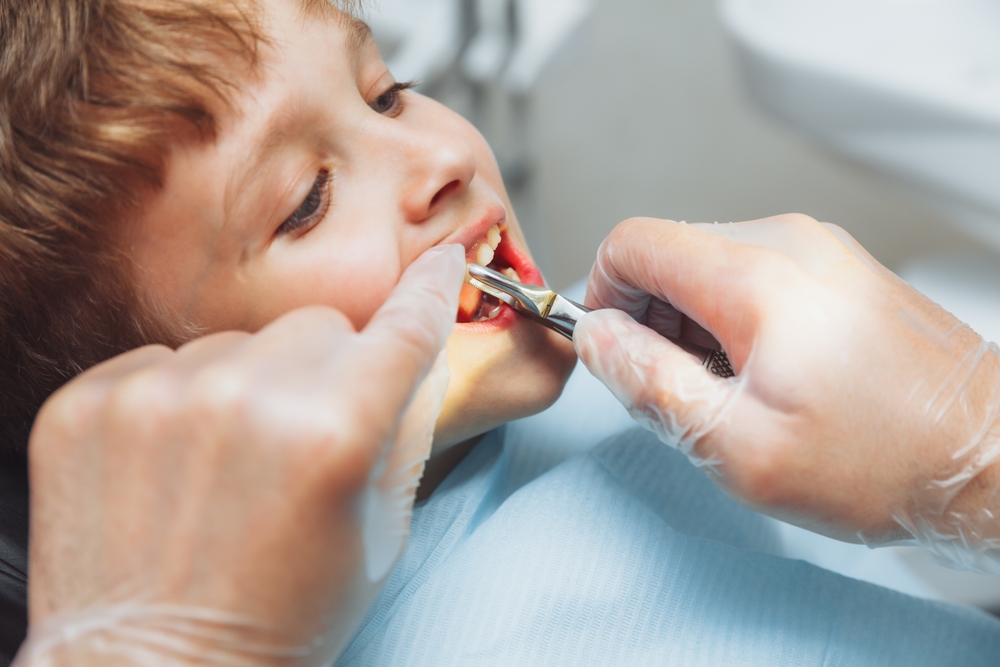
On procedure day, we numb the area completely to ensure you feel no pain during the extraction. Dr. Duong uses gentle techniques to loosen and remove the tooth carefully, minimizing trauma to surrounding tissues. The entire process typically takes just minutes once you’re properly anesthetized. Throughout the procedure, our team monitors your comfort and keeps you informed about what’s happening.
Recovery Instructions and Support
After your extraction, we provide detailed instructions for caring for the extraction site at home. You’ll learn how to manage swelling, when to use ice packs, and how to keep the area clean without disturbing the healing process. We prescribe appropriate pain medication and explain warning signs that would require a follow-up call. Proper aftercare significantly speeds healing and prevents complications like dry socket or infection.
Healing Assessment Visit
We schedule a follow-up appointment to check how you’re healing and address any concerns that arise. During this visit, we examine the extraction site to ensure proper tissue formation and bone healing. If you’re getting a replacement tooth, we discuss the timeline and next steps. This follow-up care demonstrates our commitment to your complete recovery and long-term oral health.
Why Choose Us for Your Extraction
Dr. Khoi and the team at Little Koi Pediatric Dentistry prioritize your comfort and safety during every extraction procedure. We use proven techniques that minimize discomfort and promote faster healing, so you can return to your normal routine quickly. Our practice maintains the highest sterilization standards and follows strict protocols to ensure your safety. You’ll receive personalized attention from the moment you walk in until your extraction site has fully healed.
We believe in transparent communication throughout your treatment experience. You’ll never feel rushed or pressured during your appointments—we take time to address every question and concern you have. Our team creates a calming environment where dental anxiety is acknowledged and addressed with compassion. We also provide thorough aftercare support, so you always know who to contact if questions arise during your recovery period at home.

Let’s Solve Your Tooth Problem Together!
Taking care of a problematic tooth now prevents bigger issues tomorrow. Extraction might sound intimidating, but with the right team, it’s a straightforward procedure that brings lasting relief and protection for your smile. Dr. Vi-Khoi Duong, DDS, and the Little Koi Pediatric Dentistry team are ready to answer your questions and provide the compassionate care you deserve. Visit our Facebook and Instagram pages to discover what makes Little Koi Pediatric Dentistry different and hear from patients we’ve helped, then contact us at 626-828-0564 to arrange your extraction consultation and experience compassionate dental care firsthand.

FAQs
What to eat after tooth extraction?
Stick to soft foods like yogurt, smoothies, mashed potatoes, and scrambled eggs for the first few days after your extraction. Avoid hot foods initially, as they can dislodge the blood clot that’s forming in the socket. Cold foods like ice cream can actually feel soothing and help reduce swelling. Stay away from crunchy, chewy, or sticky foods that could irritate the extraction site or get stuck in the healing area.
When can I eat solid food after tooth extraction?
Most patients can gradually return to solid foods within three to five days after extraction, depending on how quickly they heal. Start by introducing softer solid foods like pasta or well-cooked vegetables before moving to harder textures. Listen to your body—if chewing causes discomfort, stick with soft foods a bit longer. Always chew on the opposite side of your mouth from the extraction site during the early healing phase.
How long to keep gauze in after tooth extraction?
Keep the initial gauze pad in place for 30 to 45 minutes after your extraction by biting down firmly with consistent pressure. This pressure helps form the blood clot necessary for proper healing. If bleeding continues after removing the first gauze, place a fresh piece and bite down for another 30 minutes. Once bleeding has stopped, you no longer need gauze, but avoid rinsing vigorously or using straws for at least 24 hours.
How long does a tooth extraction take?
A straightforward extraction typically takes between 20 and 40 minutes from start to finish, including numbing time. More complex cases, such as impacted teeth or teeth with curved roots, may take longer. The actual removal often takes just a few minutes once you’re properly anesthetized. Our dentist will give you a more specific timeframe based on your particular situation during your consultation.
Can I drink alcohol 24 hours after tooth extraction?
You should avoid alcohol for at least 24 hours after extraction, and ideally for 48 to 72 hours. Alcohol can interfere with blood clot formation and slow down your healing process. If you’re taking prescription pain medication, mixing it with alcohol can be dangerous and cause serious side effects. Wait until you’ve stopped taking any pain medications and your extraction site has begun healing properly before consuming alcoholic beverages.